How to Identify Roof Damage: Indicators You Require a Qualified Roofing Company
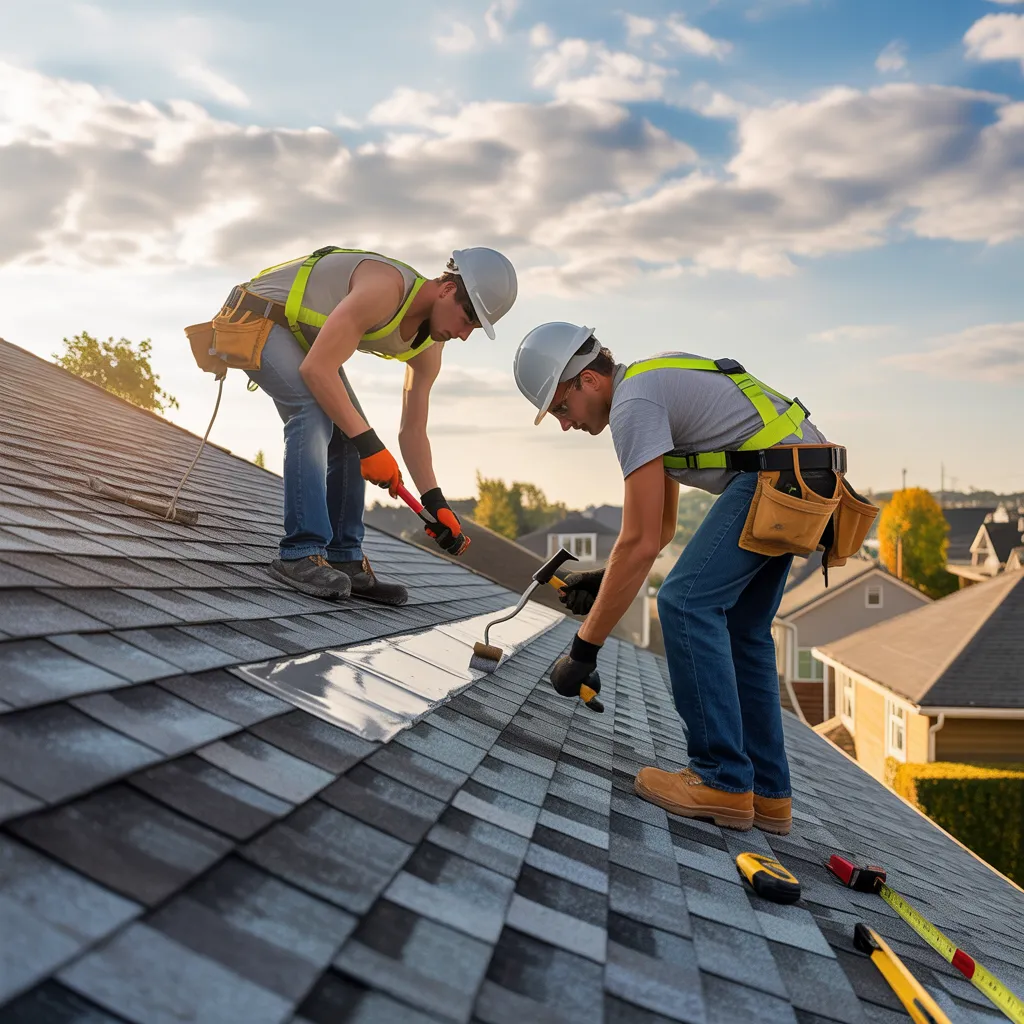
Recognizing roof damage early is important for preserving a home's worth. Homeowners must stay attentive for warning signs including damaged roof tiles, water damage marks, or sagging areas. Periodic inspections can help uncover problems before they become severe. Yet, many may miss concealed damage or minimize the hazards associated with DIY repairs. Grasping the indicators that call for expert attention can result in wiser maintenance choices. What are the primary indicators that suggest needing expert services?
Ways to Recognize Roof Issues Quickly
When property owners regularly inspect their roof systems, they can detect problems quickly and avoid expensive maintenance. A thorough examination should include looking for damaged or split shingles, as these can leave vulnerable the underlying structure to moisture. Property owners should also look for granule loss, which can suggest deterioration. Additionally, examining flashing around chimneys and vents is crucial, as compromised flashing may cause leaks.
Another vital element is evaluating the condition of gutters and downspouts, ensuring they are clear of debris. Signs of moisture marks on overhead surfaces or walls inside the home can also indicate roof problems. Homeowners should monitor sagging areas, which may suggest foundation issues. By conducting these regular inspections and noting any abnormalities, homeowners can take proactive measures, seeking expert help when needed to resolve potential roof deterioration before it escalates.
Weather's Effect on Your Roof
Weather plays a crucial role in the condition of a roof. Rain can lead to water damage, while strong winds and debris can create significant structural issues. Understanding these impacts is critical for preserving a roof's longevity and performance.
Rain and Water Degradation
Although roofs are constructed to withstand various elements, continuous rainfall and moisture contact can result in significant damage over time. Water can infiltrate roof structures, inducing deterioration and undermining the structural soundness. Typical indicators of water damage from rain consist of discoloration on ceilings or walls, which suggest leaks, and the existence of mold or mildew, revealing extended wetness. Additionally, standing water on flat roofs can speed up deterioration, causing membrane failure. Homeowners should frequently check their roofs, particularly following intense storms, to detect any apparent wear or wear. Swift intervention is crucial; disregarding minor issues can cause expensive restoration down the line. Retaining a roofing professional ensures thorough assessments and suitable remedies to reduce moisture-related harm.
Wind and Debris Impact
Strong drafts and flying scraps can inflict severe damage on roofs, often prompting costly repairs. Intense winds may lift shingles, creating openings that permit water intrusion. Loose or absent shingles compromise the roof’s soundness and may cause additional damage to underlying components. Debris, including branches or gravel, can puncture or scratch roofing surfaces, intensifying wear and tear. Homeowners should routinely examine their roofs after severe weather, checking for signs such as misaligned shingles, dents, or holes. Furthermore, debris accumulation might reveal potential drainage issues, raising the likelihood of water damage. Consulting a professional roofing company offers a thorough evaluation and necessary repairs to secure long-term roof health.
Why You Ought to Review Your Roof Consistently
Consistent roof reviews are necessary for maintaining the durability of a home. By noticing minor issues early, homeowners can sidestep high-cost repairs and maximize the useful life of their roofing system. Focusing on these checks helps overall property value and safety.
Reduce Costly Repair Bills
Conducting proactive roof checks can help homeowners to reduce significant expenses over time. Routine checks can find small issues before they turn into major problems, such as leaks or damage to the structure. By addressing these concerns early, homeowners can avoid costly repairs and extend the durability of their roofing system. Common indicators to watch for include missing shingles, granules in gutters, or water stains on ceilings. Seasonal inspections, particularly following severe weather, aid in spotting potential damage early. Utilizing a professional roofing company for comprehensive evaluations ensures no hidden faults are missed. Ultimately, being vigilant with roof inspections protects both the home and the homeowner’s financial investment.
Stretch Roof Lifespan
Homeowners who give importance to regular roof inspections not only prevent costly repairs but also lengthen the lifespan of their roof structures. Routine inspections allow early detection of issues such as leaks, missing shingles, or deterioration caused by weather elements. By quickly addressing these problems, homeowners can prevent more serious damage that could require a complete roof replacement. Moreover, ongoing maintenance helps guarantee that roofing materials remain efficient, cutting down on wear and tear over time. Engaging professional roofing services for these inspections can facilitate an expert evaluation, ultimately protecting the investment in the home. By adopting this proactive approach, homeowners can find peace of mind, knowing their roofs remain in excellent condition and will last longer.
Identifying Concealed Issues in Your Attic
How can someone successfully locate concealed damage in an upper floor storage space? Initially, a thorough inspection of the attic's structure is crucial. Signs of water-caused deterioration, such as discolored timber or mold growth, can point to leaks in the roof. Homeowners should search for bending rafters or strange odors, which may point to water accumulation. In addition, examining insulation materials for dampness or mold can expose underlying issues.
Ventilation is another key factor; poor airflow may lead to water buildup and subsequent damage. Inspecting the condition of roof sheathing is essential; any warping or discoloration may signal problems. Also, checking for pests can identify hidden damage, as rodents or insects can compromise insulation and structural integrity.
Regular inspections, ideally performed twice a year, will help verify that any hidden damage is detected early, allowing for expedient response by a professional roofing company.
How to Establish Roof Impairment After a Storm
Once the attic has been inspected for concealed damage, attention should be directed toward the roof's exterior, particularly following a storm. Homeowners ought to start by checking shingles for missing, cracked, or curled sections. A thorough inspection of the edges and valleys is critical, given these areas are especially vulnerable to storm damage. Additionally, debris like branches or leaves must be cleared out, since they can trap moisture and lead to more issues.
Following that, examining gutters and downspouts for granules or shingle fragments can suggest substantial damage. Homeowners should also look for evidence of leaks or water stains inside the house, as these may indicate roof integrity issues. Finally, a visual assessment of flashing around chimneys and vents can reveal compromised seals. If any of these signs are present, it may be time to consult a professional roofing company for a thorough evaluation and necessary repairs.
Aging Materials: Clues Your Roof Needs Fix-Up
Aging materials can significantly undermine a roof's structural soundness, making it essential to identify the signals that fixes are needed. One common indicator is the occurrence of cracked, warped, or absent shingles, which can leave vulnerable the underlying components to moisture. Additionally, granule loss from shingles can lessen their protective qualities, causing further degradation.
An additional warning sign is spots or discoloration on the roof surface, often revealing water damage or mold growth. Homeowners should also examine sagging areas, which may reveal structural issues or trapped moisture.
Material around chimneys and vents may deteriorate over time, resulting in leaks that necessitate immediate attention. At last, if the roof is approaching or has gone over its expected lifespan, a professional assessment is warranted. Detecting these markers can help maintain the roof's structural integrity and safeguard the home from high-cost damage.
Risks of DIY Roof Maintenance
Trying DIY roof patch-ups can look like a inexpensive solution, but it frequently carries major risks. Homeowners may misjudge the difficulty of roofing systems, resulting in faulty repairs that can heighten existing issues. Without proper tools and knowledge, individuals might also miss important safety measures, boosting the chance of accidents. Falling from heights poses a serious danger, not only to the individual carrying out the repairs but also to others nearby.
Additionally, deficient work can cause extra deterioration to the roof and underlying structures, ultimately triggering pricier restorations. Homeowners may also negate protection plans by performing unapproved work. Finally, regional construction requirements might not be adhered to, resulting in legal consequences. Consequently, while self-directed repairs may seem attractive, the potential hazards and future monetary effects often exceed the initial savings. Engaging a professional guarantees that repairs are done properly and securely.
When should you reach out to a expert roofing company?
Detecting the evidence of roof damage is Roofing Fort Wayne crucial for homeowners, particularly after severe weather or noticing leaks. When damage signs become clear—like missing shingles, water stains on ceilings, or sagging spots—it’s important to assess the situation quickly. Homeowners should hire a professional roofing company if they find significant wear, major damage, or if the roof is over 20 years old. Furthermore, if leaks persist despite temporary repairs or if mold or mildew are present, professional help is essential. A roofing expert can deliver a thorough inspection, making sure every problem is identified and resolved. Moreover, homeowners should seek professional assistance if they have little experience in roof repairs or are uncomfortable with heights. In the end, acting promptly can prevent more damage and expensive repairs, so consulting a qualified roofing professional when in doubt is crucial.
Frequently Asked Questions
How Often Should I Inspect My Roof for Damage?
Professionals advise inspecting a roof at least twice annually, preferably in spring and fall, to find any likely damage. Additionally, inspections should happen after severe weather events to guarantee the roof continues to be in sound condition.
What Make Up the Widespread Causes of Roof Leaks?
Factors of roof water intrusion typically feature damaged shingles, faulty installation techniques, congested water channels, and flashing issues. Environmental stress, debris accumulation, and the passage of time also make a major difference, necessitating regular maintenance to prevent more structural harm.
Can I Fix Roofing Harm Myself?
While some trivial roof damage can be fixed by occupants with rudimentary skills, significant issues often require professional expertise. Assessing health and possible complications is imperative before deciding to attempt any fix on your own.
How long does a typical roof last?
A conventional roof remains between 20 to 30 years, influenced by materials, installation quality, and maintenance. Regular inspections can extend its lifespan, securing early spotting of emerging problems that may transpire over time.
Which Insurance Pays for Roof Damage Repairs?
Homeowners insurance usually covers roof damage repairs, depending on the policy. Coverage could include storm damage, fire, or vandalism, while routine wear is generally excluded. Reviewing the specific policy details is essential for clarity.
As a final thought, we have evaluated the significant subjects highlighted across this evaluation.
In closing, early identification of roof damage is essential for maintaining a secure and protected home. Regular check-ups, particularly after extreme weather events, can reveal hidden concerns before they become worse. Homeowners need to stay watchful of deterioration signs, such as absent shingles or water marks, and avoid the risks tied to DIY repair work. When in doubt, consulting a professional roofing company guarantees that issues are properly addressed, safeguarding the home's structural soundness and preventing costly future repairs.